1. Traditional Meaning (Historical)
- The word dram originates from the Greek drachma, a unit of weight.
- Historically, it referred to a very small quantity of liquid, often used in apothecaries or medicine.
- In older British usage, a dram was sometimes defined as 1/8 of a fluid ounce, though this is no longer standard.
2. Modern Usage (Whiskey & Spirits)
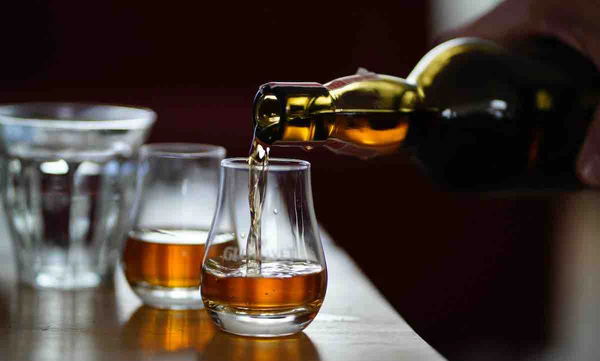
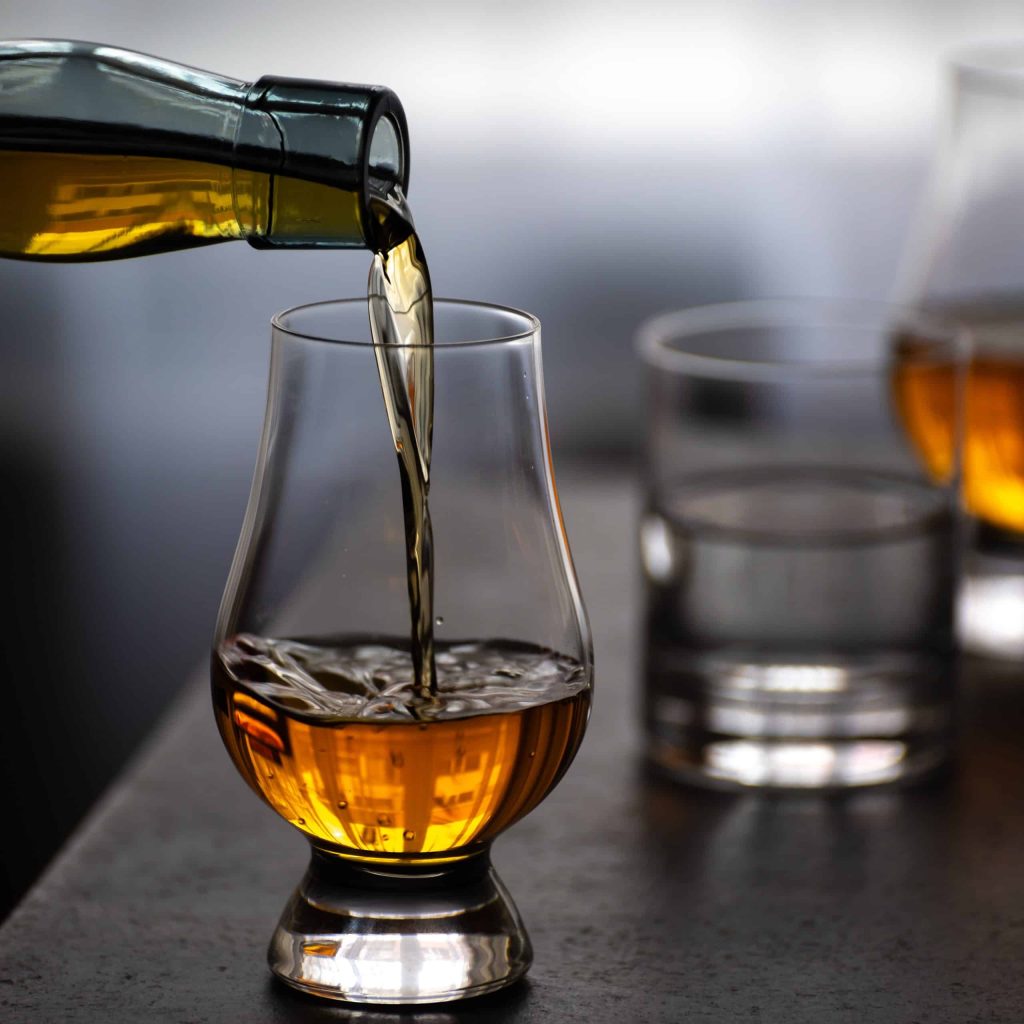
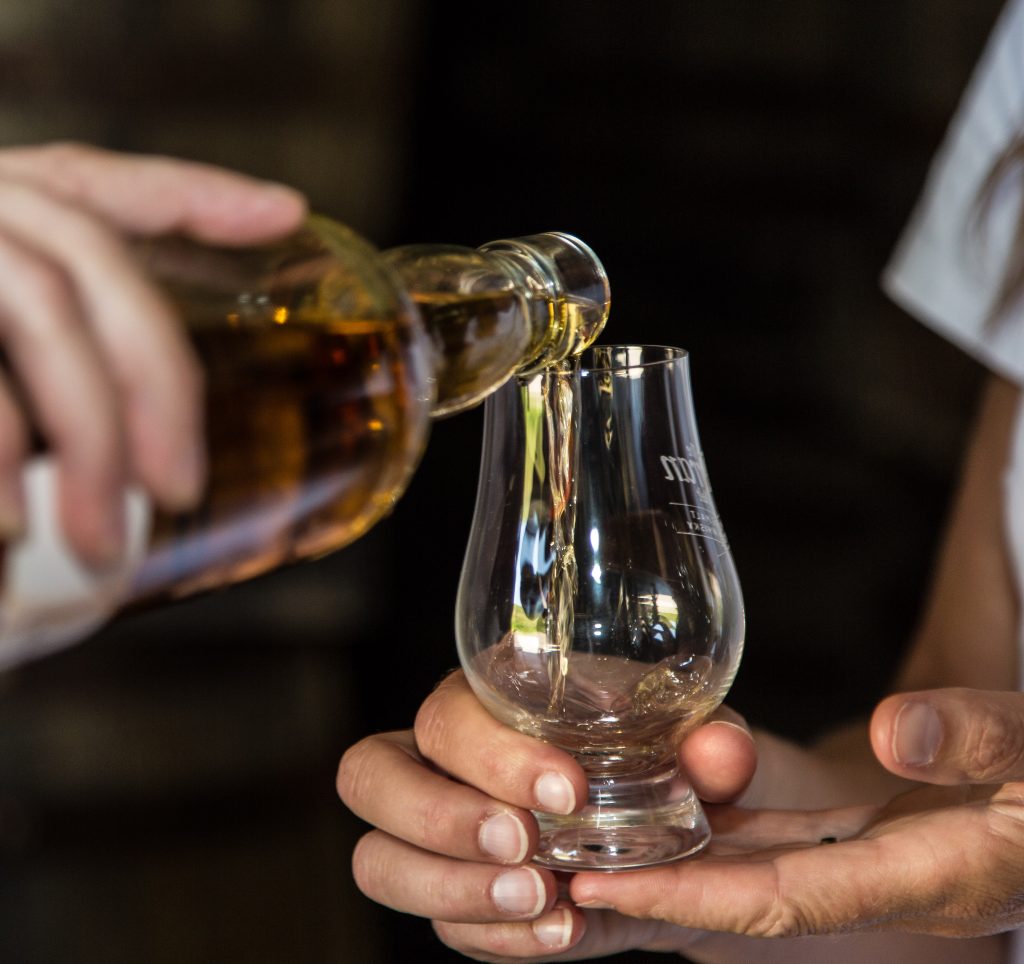
- Today, a dram is an informal term meaning a small pour of spirits, especially whiskey.
- There is no fixed volume in modern usage.
- In practice, a dram typically ranges from:
- 20–35 ml (about ¾–1¼ oz) in tastings
- Sometimes a standard 1.5 oz pour in casual conversation
3. Cultural Context
- Common phrases include:
- “A wee dram” (Scotland): a small serving of Scotch whisky
- “Care for a dram?”: an invitation to share a drink
- The term implies savoring rather than drinking quickly—often associated with nosing, tasting, and appreciation.
4. Dram vs. Shot
| Dram | Shot |
|---|---|
| Informal, variable size | Standardized measure |
| Associated with whiskey culture | General spirits |
| Focus on tasting | Focus on consumption |
Summary
A dram is best understood as a small, enjoyable pour of spirits—especially whiskey—meant to be appreciated rather than measured precisely. It is a term rooted in tradition and widely used in whiskey culture today.
If you would like, I can also provide a whiskey-focused sidebar suitable for a blog post, tasting notes format, or a comparison with Scotch, bourbon, and Irish whiskey traditions.