
Why I Did It, What Changed, and Whether It’s Worth It
For a long time, my General class amateur radio license did exactly what I needed it to do. I had meaningful HF access, solid VHF/UHF privileges, and the ability to participate in emergency communications, digital modes, and day-to-day operating without feeling limited.
So the obvious question is:
Why bother upgrading to Amateur Extra?
This post isn’t a pep talk or a résumé flex. It’s a practical look at why I chose to upgrade, what the process actually involved, and how the Extra license changes things in real operating terms.
Life as a General-Class Operator
The General license is often described as the “sweet spot” of amateur radio—and that’s not wrong.
As a General, I already had:
- Access to most HF bands
- Plenty of voice and digital segments
- Enough privileges to be effective during emergencies
- The ability to experiment, contest, and chase DX
For many operators, this is where they stop—and they’re not wrong to do so.
But over time, I started to notice soft limitations, not hard walls.
What Pushed Me Toward Extra
1. Congestion on the Bands
On popular HF bands, General segments can get crowded—especially during contests, POTA activations, or strong propagation openings. The Extra-only segments are often:
- Less congested
- More disciplined
- More technically focused
It’s not that “better operators” live there—it’s that there’s simply more room to work.
2. Operating Flexibility
Extra privileges don’t just add spectrum—they add options.
Being able to move up or down the band to:
- Avoid interference
- Find cleaner DX paths
- Adjust for propagation
is a real, day-to-day advantage.
3. Personal Closure
This one is honest and simple:
I didn’t want to leave the ladder half-climbed.
The Amateur Extra license represents full access to the amateur service under the rules of the Federal Communications Commission. At some point, it became less about need and more about completion.
The Extra Exam: Reality vs Myth
The Extra exam has a reputation—and not all of it is fair.
What It Actually Covers
- Advanced regulations
- RF safety and exposure
- Antenna theory
- Propagation
- Circuit behavior
- Digital concepts
Yes, it’s more technical—but it’s not abstract for the sake of being difficult.
What Helped Most
- Treating it as conceptual, not memorization
- Understanding why answers were correct
- Using modern study tools and question pools
Resources from organizations like American Radio Relay League made the material manageable and relevant.
What Changed After Passing
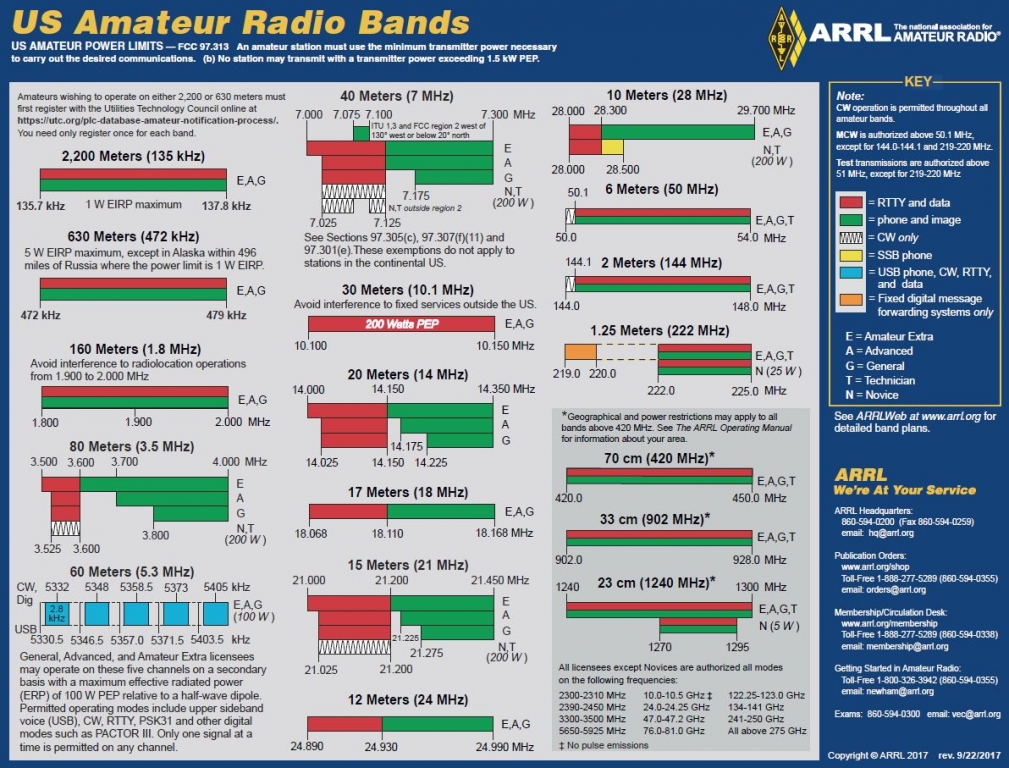
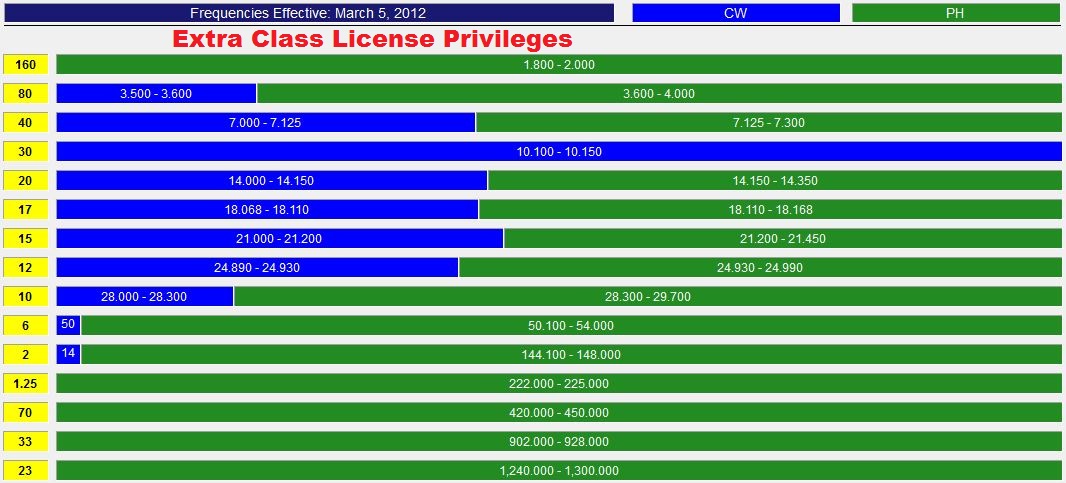
Immediate Benefits
- Full HF band access
- Freedom to operate where conditions are best
- Less stress about “where am I allowed to be?”
Subtle Benefits
- Greater confidence on HF
- Stronger technical understanding
- More intentional operating habits
Nothing magical happened—but everything felt unrestricted.
Does Extra Make You a “Better” Operator?
No—and yes.
An Extra license doesn’t make someone polite, skilled, or disciplined. Plenty of excellent operators never upgrade.
What it does do is:
- Remove artificial limits
- Encourage deeper technical literacy
- Reward long-term commitment
The license doesn’t make the operator—but it supports growth.
Is Upgrading Worth It?
Here’s the most honest answer I can give:
It is worth it if:
- You enjoy HF operating
- You’re curious about how radios really work
- You want maximum flexibility
- You see amateur radio as a long-term pursuit
It may not be worth it if:
- You’re happy on VHF/UHF only
- You rarely use HF
- Studying feels like a chore, not a challenge
There is no shame in staying General. The upgrade should be intentional, not obligatory.
Final Thoughts
Upgrading from General to Extra didn’t change what amateur radio is to me—it changed how freely I can explore it.
The Amateur Extra license isn’t about prestige. It’s about completeness, flexibility, and understanding. For me, that made the effort worthwhile.
If you’re on the fence, my advice is simple:
Don’t upgrade because you feel you should.
Upgrade because you want to.
When that moment comes, you’ll know.