
Builds, Antennas, EMCOMM Integration, and Best Practices
Meshtastic has matured from a hobbyist experiment into a practical, resilient communications layer that many amateur radio operators now deploy alongside their licensed systems. While it operates outside the Amateur Radio Service, it aligns closely with ham values: experimentation, preparedness, and technical self-reliance.
This guide covers four areas specifically tailored to amateur radio operators:
- A ham-optimized Meshtastic node build
- Antenna selection and placement theory
- Integrating Meshtastic into an EMCOMM go-kit
- Regulatory and ethical best practices for mixed deployments
1. A Ham-Optimized Meshtastic Node Build


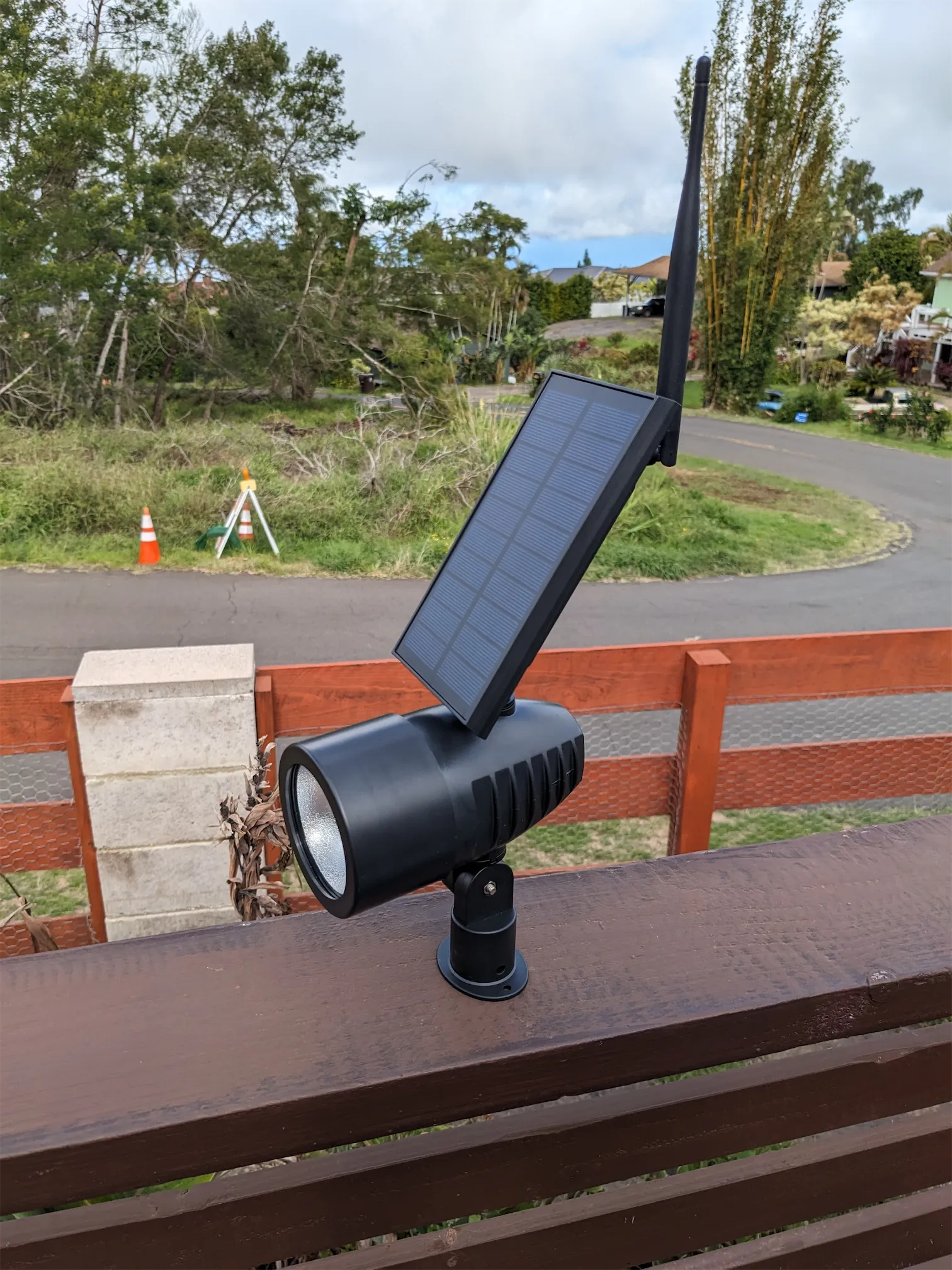
Design Philosophy
A “ham-optimized” Meshtastic node emphasizes:
- Reliability over novelty
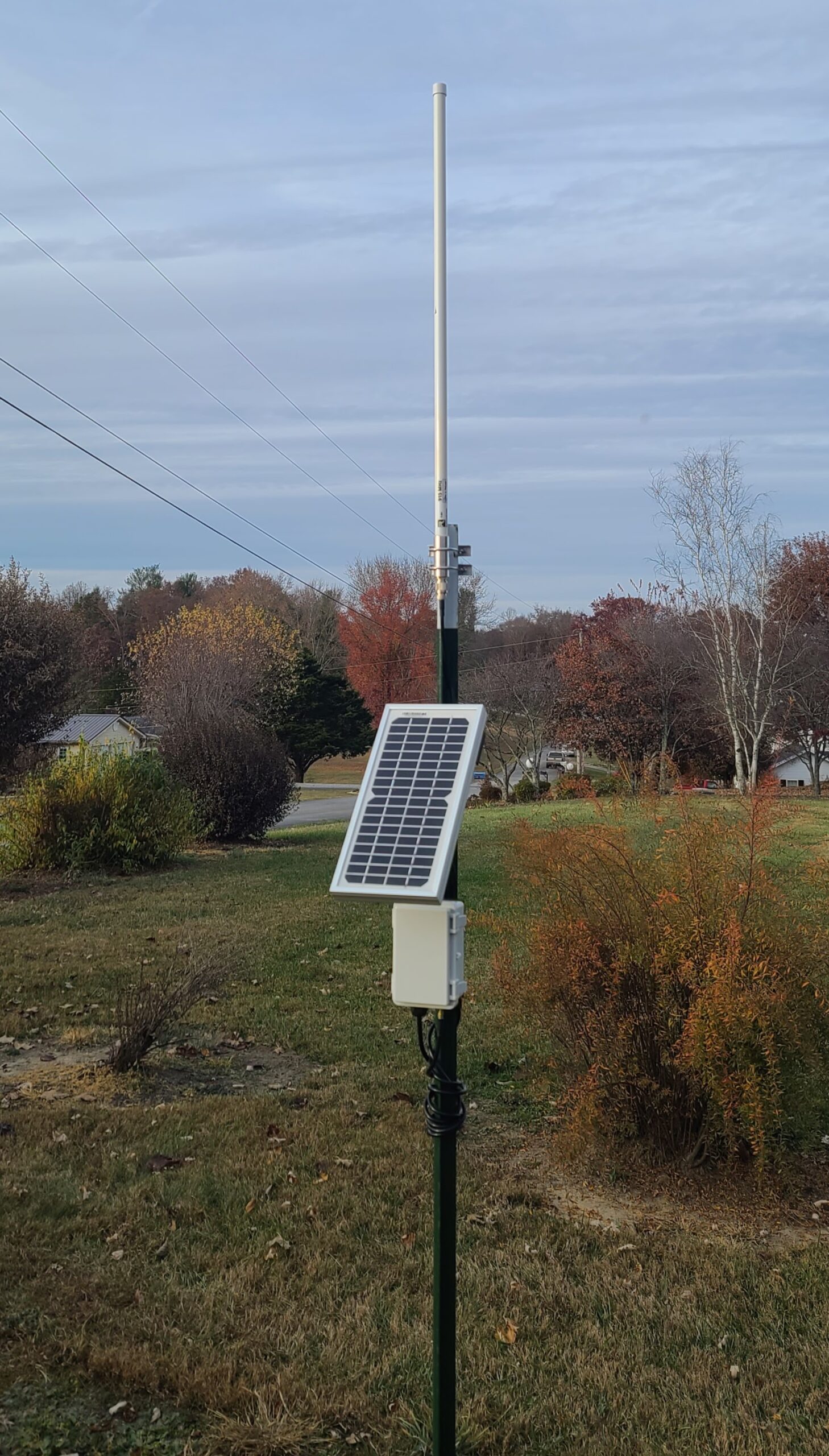
- Elevated antenna placement
- Continuous duty operation
- Integration with existing radio infrastructure
Think of these nodes the same way you would treat a digipeater or AllStar simplex node: stable power, clean RF, and minimal maintenance.
Recommended Hardware Stack
Core LoRa Boards
- ESP32 + SX1262 or SX1276 LoRa radios
- Popular choices: T-Beam, Heltec, RAK WisBlock
GNSS (Optional but Valuable)
- Enables node mapping and time reference
- Useful for mobile or EMCOMM deployments
Power System
- Fixed: 5–12 V DC with buck regulation
- Portable: Li-ion/LiFePO₄ battery
- Permanent: solar panel + charge controller
Enclosure
- Weather-rated (IP65+ preferred)
- RF connectors bulkhead-mounted
- Separate antenna feed-through from power wiring
Node Configuration Roles
- Client Node – Handheld or mobile, paired to phone
- Router Node – Always-on, elevated, high duty cycle
- Repeater Node – Minimal telemetry, maximum airtime efficiency
For most hams, router nodes provide the best balance of coverage and mesh stability.
2. Antenna Selection and Placement Theory

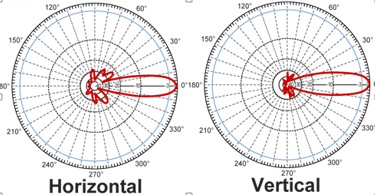
Frequency Context
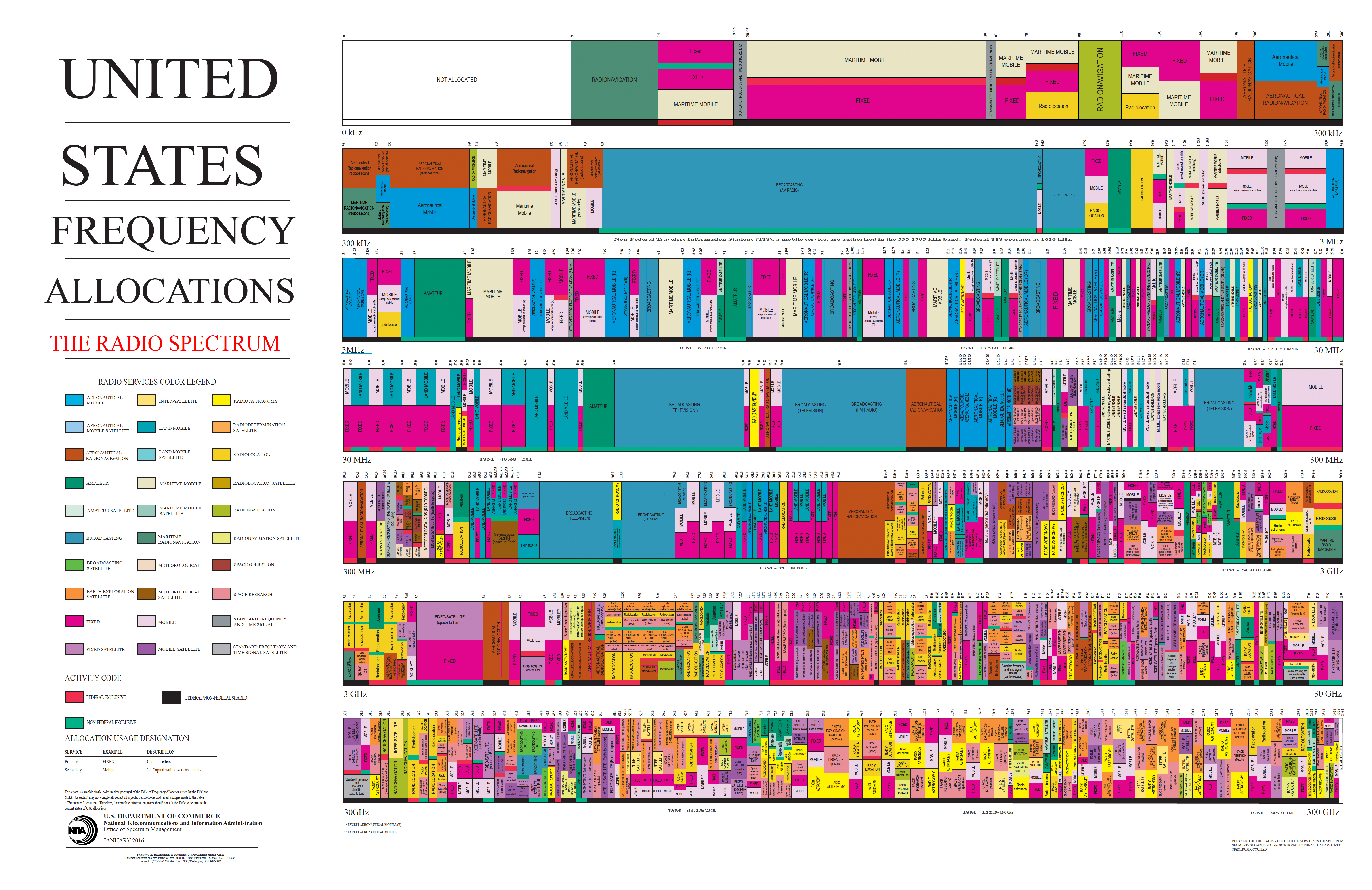
In the U.S., Meshtastic typically operates in the 902–928 MHz ISM band. This places it near 33 cm amateur allocations but under entirely different regulatory rules.
Antenna Types Compared
| Antenna Type | Gain | Use Case |
|---|---|---|
| ¼-wave monopole | ~2 dBi | Portable, handheld |
| ½-wave vertical | 3–5 dBi | Fixed indoor/outdoor |
| Collinear vertical | 5–8 dBi | Rooftop / tower |
| Yagi / panel | 8–12 dBi | Point-to-point backbone |
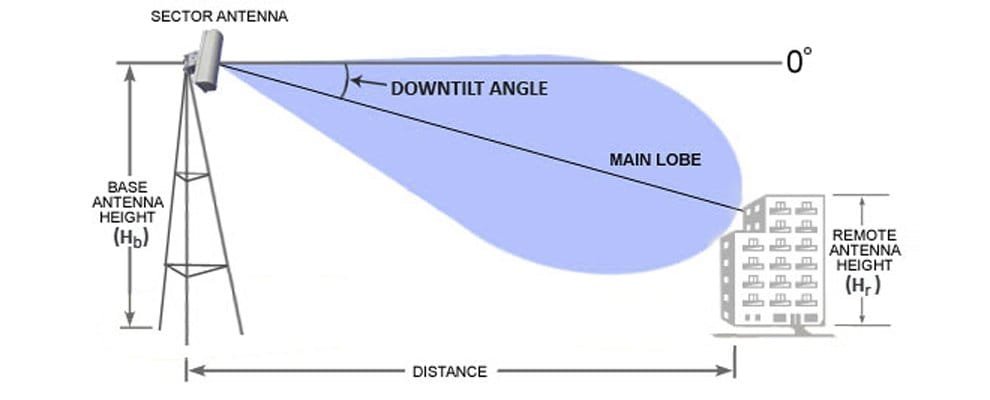
Placement Rules (Ham Logic Still Applies)
- Height beats power every time
- Maintain clear Fresnel zones
- Avoid mounting directly on metal masts without isolation
- Ground and bond per best RF practice
A 100 mW LoRa node at 30 ft AGL will routinely outperform a 1 W node at ground level.
Feedline Considerations
At ~900 MHz, coax loss is significant:
- RG-58 / RG-8X: acceptable only for very short runs
- LMR-240: minimum recommended
- LMR-400: ideal for permanent installations
This is directly analogous to UHF repeater feedline planning.
3. Integrating Meshtastic into an EMCOMM Go-Kit

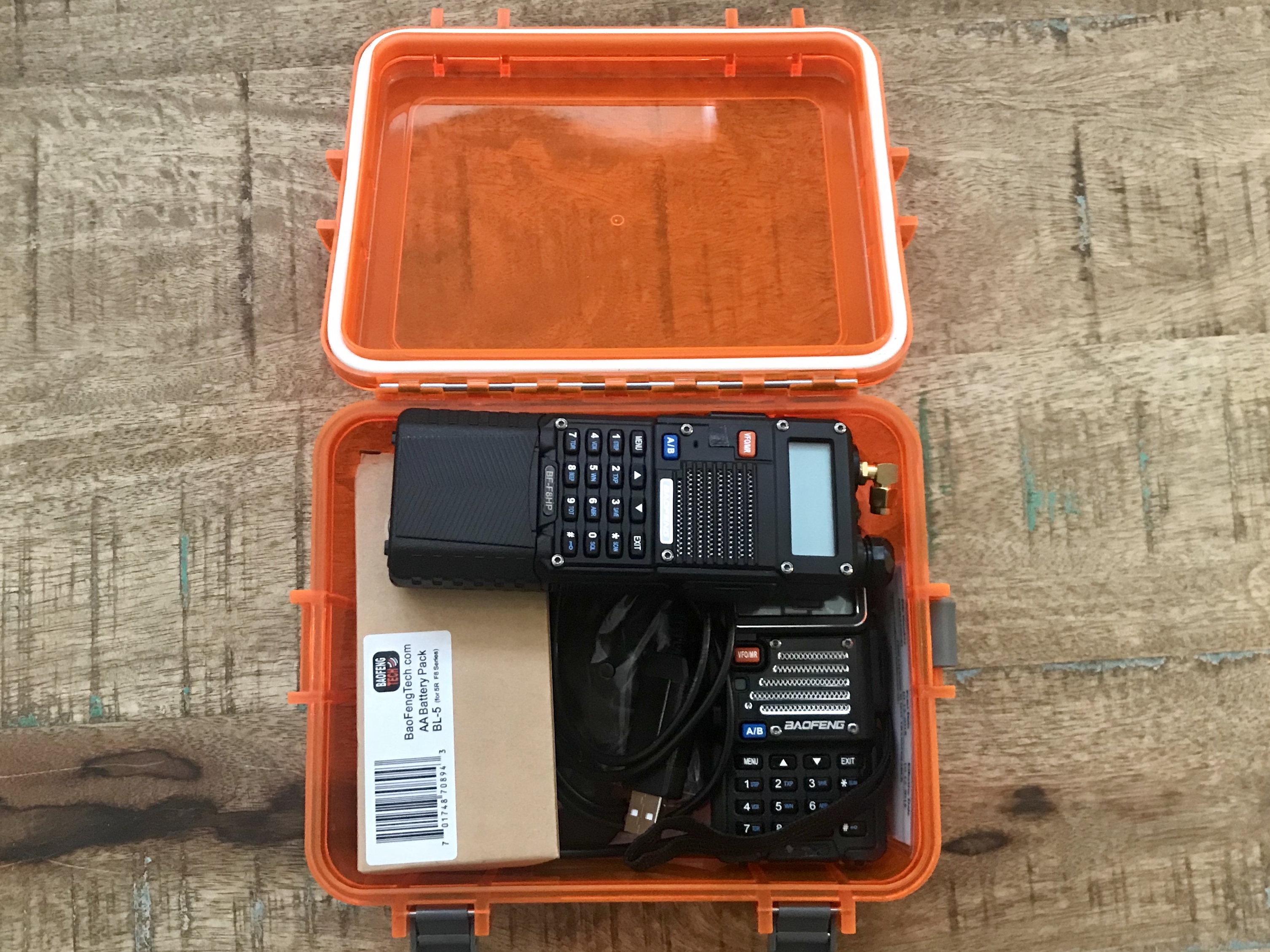
Why Meshtastic Belongs in a Go-Kit
Meshtastic fills a specific operational gap:
- Silent, low-power text messaging
- Situation reporting without voice congestion
- Works when repeaters and cell networks fail
It does not replace voice or HF—it augments them.
Typical Go-Kit Integration
Core Components
- Meshtastic handheld node
- Smartphone (offline maps + Meshtastic app)
- Shared battery bank or DC distribution
Paired Amateur Gear
- VHF/UHF HT or mobile rig
- APRS-capable radio (optional)
- HF QRP rig for regional backup
Operational Use Cases
- Shelter-to-shelter text coordination
- Team location awareness
- Logistics messaging during nets
- Quiet coordination during directed nets
Meshtastic traffic can remain purely tactical while licensed amateur systems handle formal communications.
4. Regulatory and Ethical Best Practices for Mixed Deployments

Regulatory Separation Is Essential
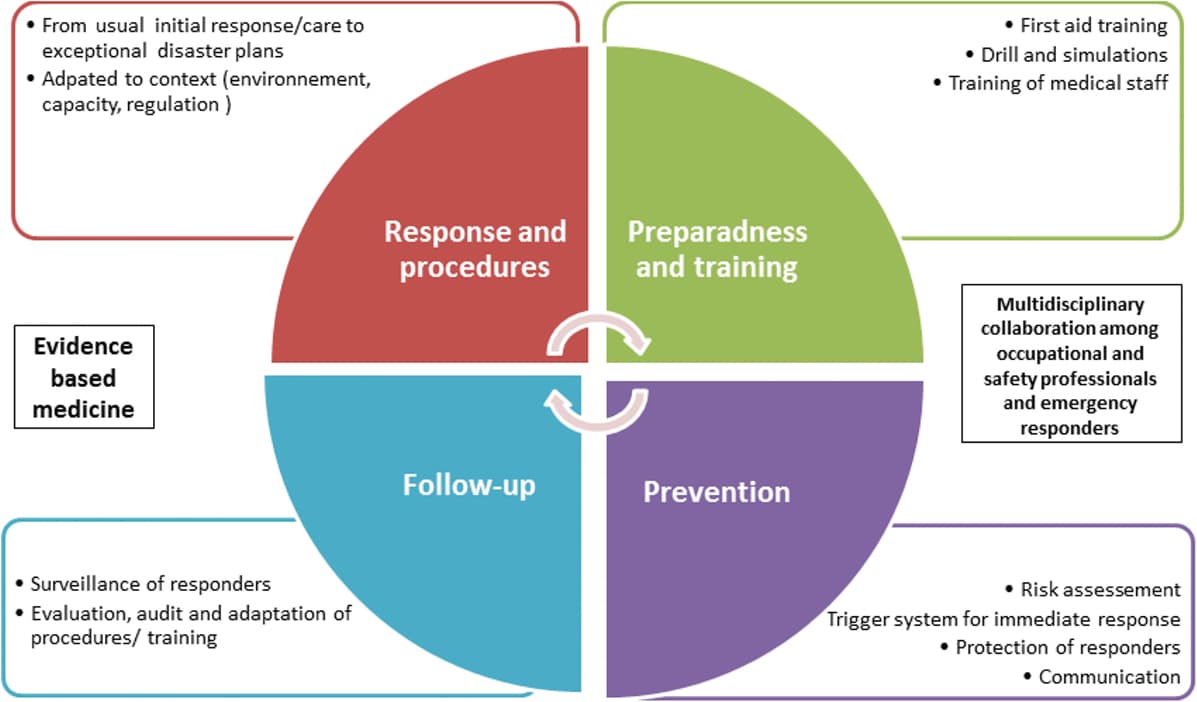
Meshtastic and amateur radio must remain clearly separated:
- Meshtastic uses unlicensed ISM spectrum
- Encryption is allowed and expected
- No callsigns or identification required
Amateur radio, by contrast:
- Requires identification
- Generally prohibits encryption
- Is regulated under Part 97
Organizations such as ARRL emphasize transparency and public service—principles that should guide mixed deployments.
Ethical Guidelines for Hams Using Meshtastic
- Do not retransmit Meshtastic traffic onto amateur bands
- Do not tunnel amateur traffic through encrypted systems
- Clearly label nodes as “Meshtastic / ISM”
- Educate served agencies on what is and is not amateur radio
Infrastructure Sharing (Done Correctly)
Acceptable:
- Shared towers or masts
- Shared power systems
- Shared shelters
Avoid:
- RF cross-banding between services
- Mixing encrypted and amateur traffic
- Ambiguous operational roles
Think of Meshtastic as adjacent infrastructure, not an extension of the amateur service.
Strategic Takeaway
Meshtastic fits naturally into the amateur radio ecosystem when treated as:
- A low-power digital adjunct
- A preparedness and coordination layer
- A platform for RF experimentation
It rewards the same skills hams already possess: antenna theory, site planning, power management, and disciplined operating practices.
Used thoughtfully, Meshtastic does not dilute amateur radio—it reinforces the broader mission of resilient, independent communications.